Author: Reenie Brydon

  • ICF Foundation 

    ICF Foundation 

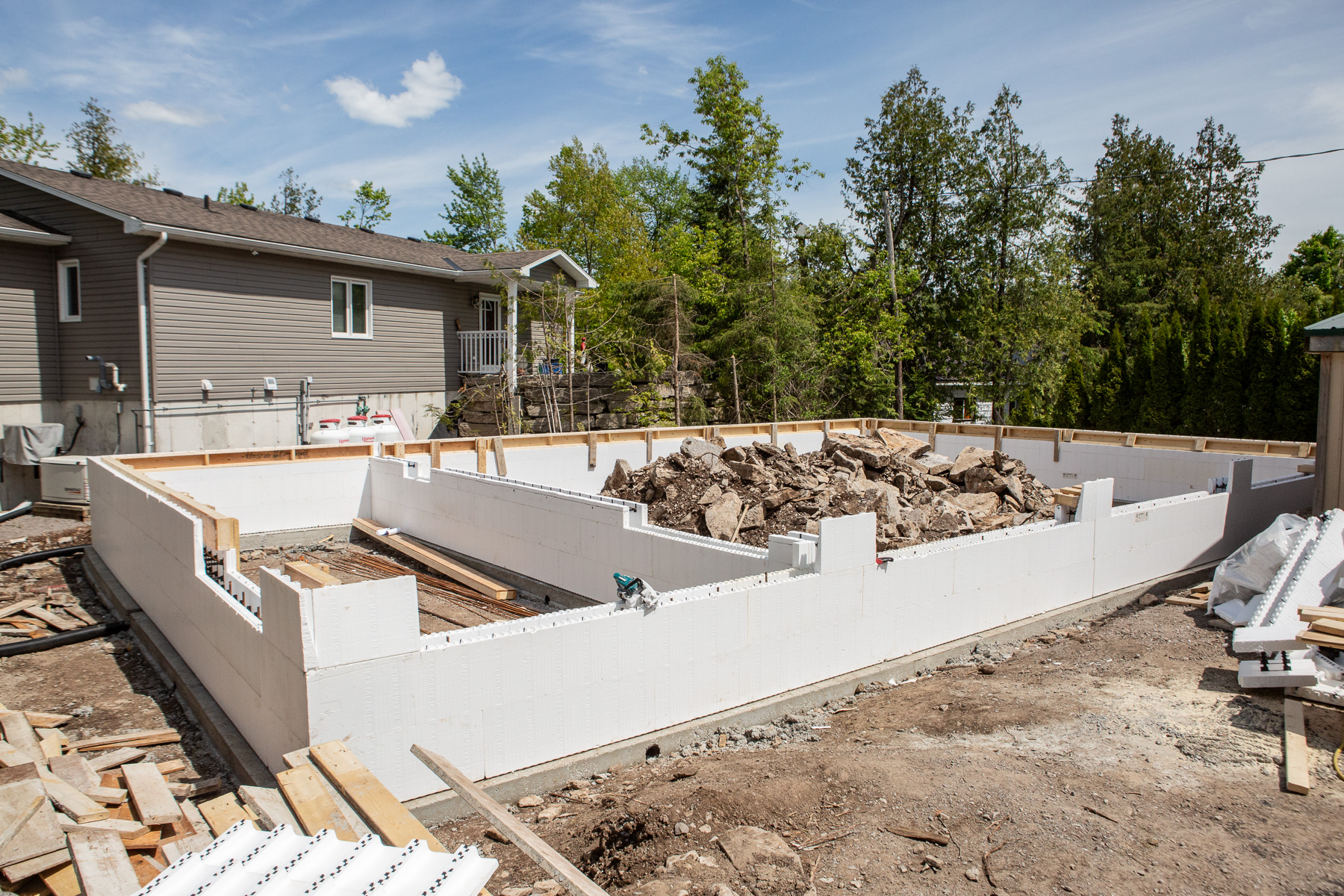
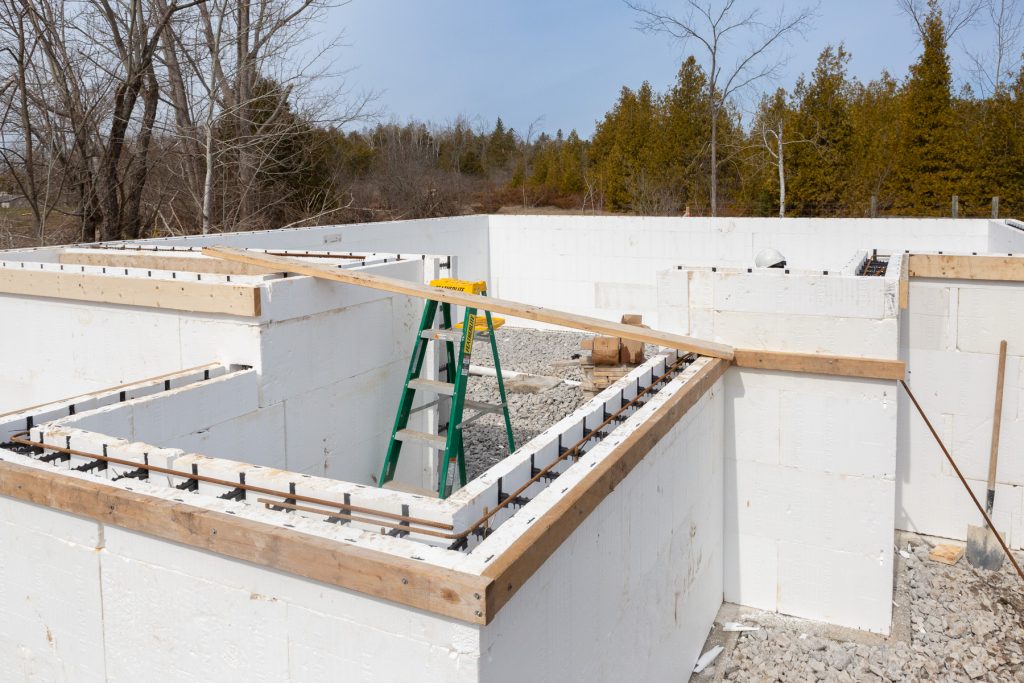
    ICF stands for Insulated Concrete Form. ICF uses foam blocks that are stacked to form walls, reinforced with steel and filled with concrete. Builders use ICF to provide structurally superior, energy-efficient and moisture-resistant foundations and walls for builds.

    There are multiple benefits for an ICF foundation. The insulation on both sides of the concrete lowers heating and cooling costs. This also helps to improve the indoor environment as basements using ICF are typically warmer and lacking drafts. The areas are also quieter as the concrete and foam insulation reduce exterior noise. ICF foundation’s are extremely strong and durable which make them very resistant to natural disasters. Finally, ICF foundations are water-resistant and will prevent mold and rotting. 

    Our team is highly trained in installing ICF foundations. Though these foundations may require higher material costs up front, they will provide a financial benefit over time with our experience in installing, and the heating bills. 
    Written by: Reenie Brydon March 2026
  • The Powder Room Feature Wall

    The Powder Room Feature Wall

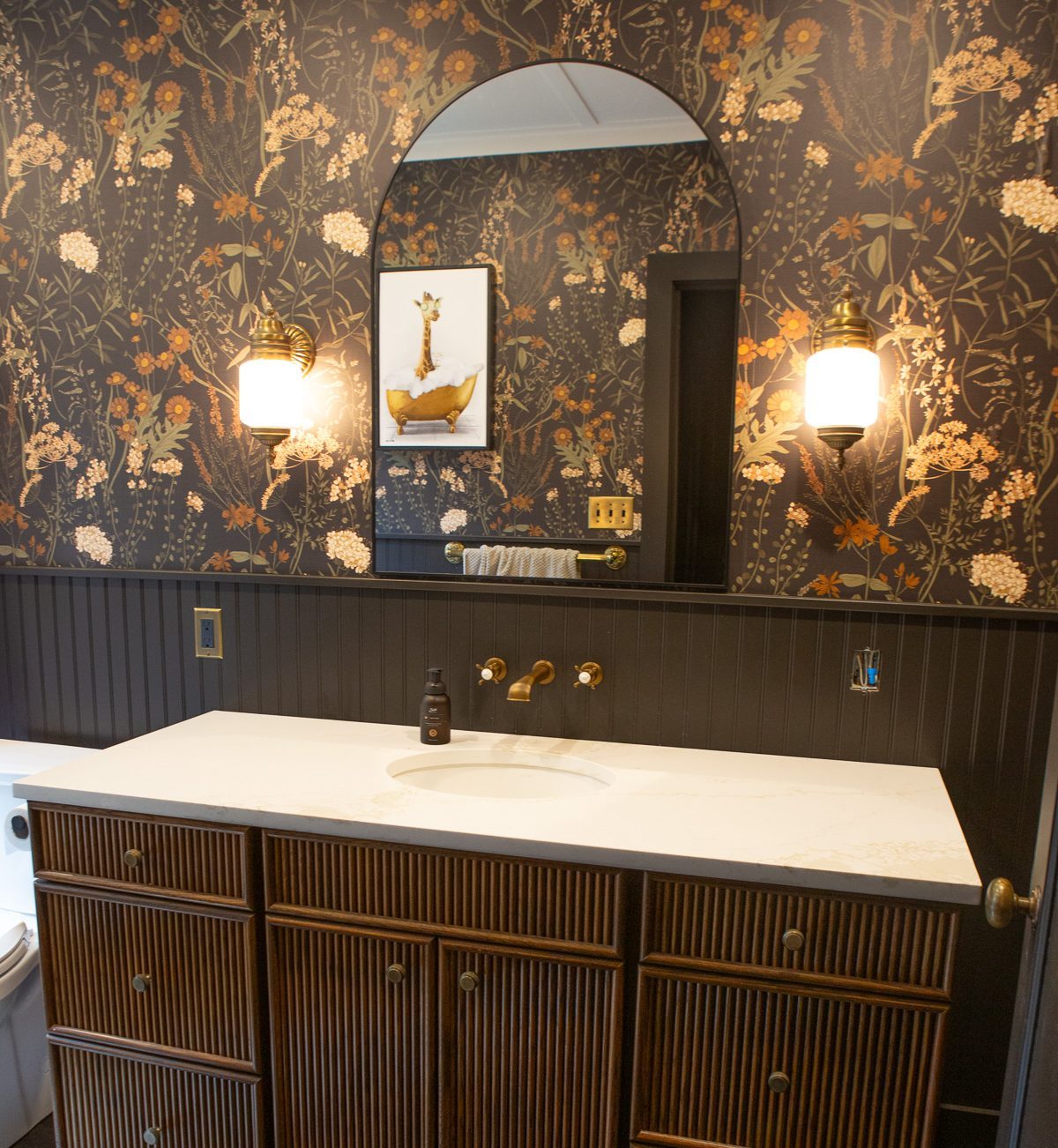
    We love when clients add a feature wall in their powder room to showcase their unique style. It is a great way to give personality to a room and add a ‘wow’ factor. It can create a memorable space for your guests in a typically mundane space. 

    The feature wall is ideal for a bold and dramatic choice since it is a small space. There are great options when choosing your feature wall. Wallpaper adds instant, high-impact personality without being overwhelming. There is no steam issues for wallpaper in a powder room, making it less likely to peel. You can also easily pull colours from the wallpaper design for paint and decor for balance. Tile creates a luxurious look without the cost of covering a larger room. Depending on the tile you choose; it adds texture, pattern, drama and is artistic. Tile is durable, moisture resistant and easy to clean and does not hold odours. Shiplap adds warmth and character without being overwhelming. It can make the room feel wider, or low ceilings feel taller. It fits a farmhouse or coastal style beautifully, is budget-friendly and protects the walls from daily wear. Finally, 3D wood panel designs will add immediate warmth and a bespoke feel to the space. This creates texture in the space. The 3D styles add a sense of luxury and act as a piece of art.

    The location that we recommend for your feature wall is behind the sink or directly opposite the door. It is also a great opportunity to compliment the wall with unique plumbing fixtures and a mirror.

    You can find many fantastic feature wall options at our showroom located at 13 Lindsay St, Fenelon Falls.

    Written by: Reenie Brydon, February 2026

  • What Not To Do: Interior Design Edition

    What Not To Do: Interior Design Edition

    There are some rules of thumb clients should keep in mind when getting prepared to start thinking of their interior. Our Interior Designer is here to help guide you through the process of selecting your finishes, however it is important to have an idea. Think of your classic mood board; what colours, materials and lifestyle components are going to matter. 

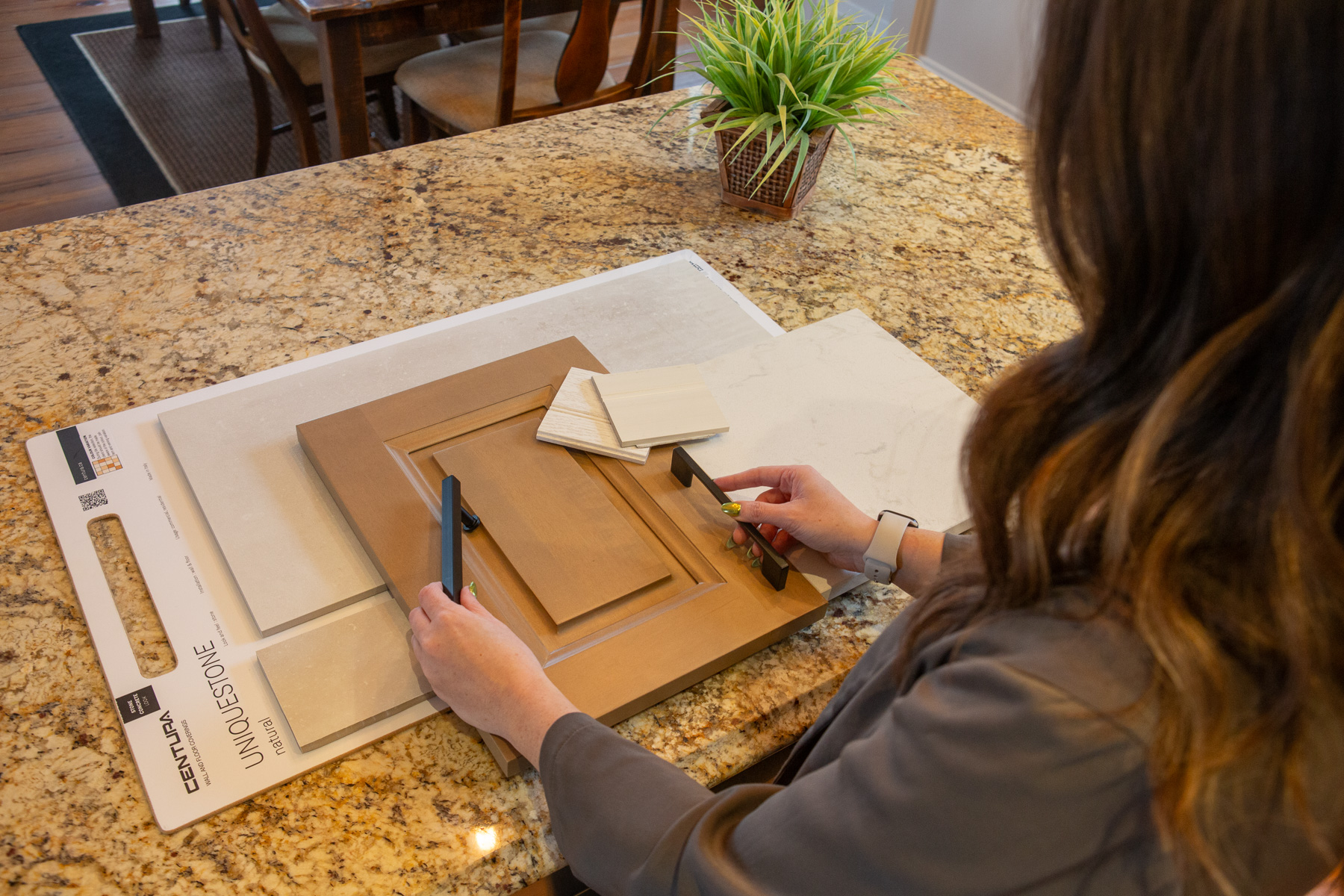
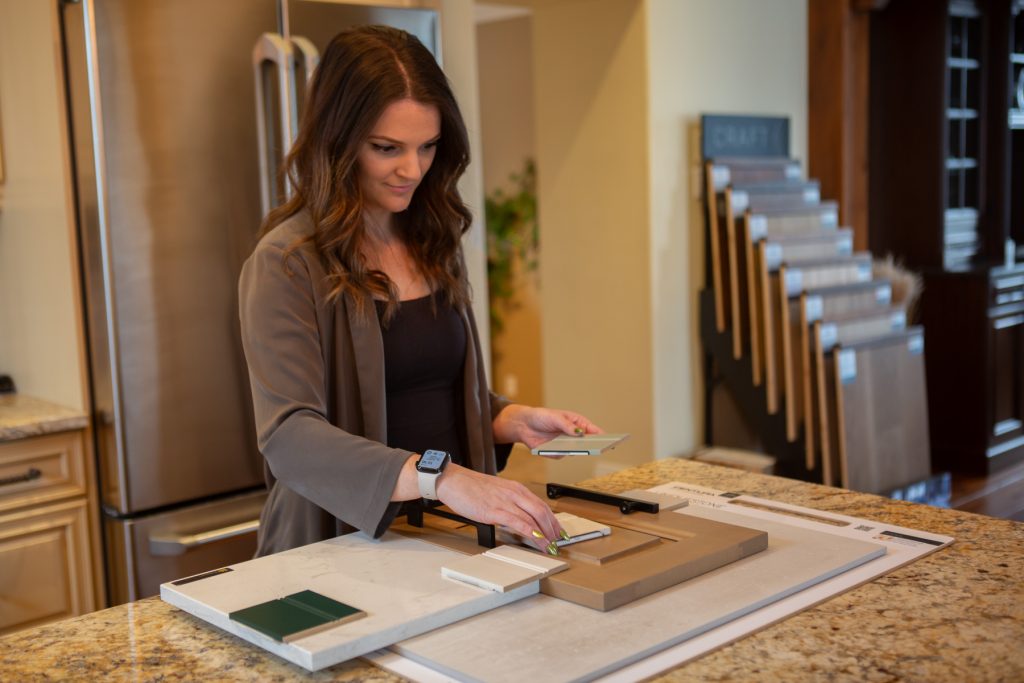
    1. Don’t Compare The Samples You Are Torn Between To Each Other: One of the most frequent things we see, is when a client is trying to decide between two flooring samples for example, they are comparing the two samples to each other, versus to the other finishes they’ve chosen. The two samples will never live in the same space together, but they will live with the other finishes you’ve chosen. You will not have an accurate understanding of the colours and feature of the sample when you are not pulling tones from the other finishes that will be around it. When comparing it to the other option, it pulls tones from the other sample versus other finishes.

    2. Not Looking Under Different Lighting: Finishes can look very different under different styles of lighting. Knowing if finishes will be under a warm or cool tone of lightbulb is essential. You also want to take samples to the site to see how it will look under the natural light. Our showroom has a colour temperature lamp stick. This tool allows our clients to test their finish samples under 6 light shades to have an accurate understanding of what the finish would look like.

    3. Don’t Ignore Cohesion: You want your choices to match throughout the entire build. Choose a style (modern, Scandinavian, Victorian, farmhouse etc) and keep it in mind when deciding your finishes. It is best to have a colour palette to keep your choices in the same family. 

    4. Do Not Follow Trends Blindly: It is important to stay true to yourself and style when considering trends. Ensure you are considering the longevity of your choices. Overly personalized designs can lower your future resale value, as potential buyers may see them as a costly renovation project. 

    5. Don’t Ignore Functionality: Consider finishes that work with your lifestyle. Clients should consider facts like if they have pets, and take that into consideration when choosing a finish like flooring. Certain finish types much like flooring, or countertops, could work better for a client versus another, all based on how they will be using the space.

    Written By: Reenie Brydon, February 2026

  • Pros and Cons For an Open Concept

    Pros and Cons For an Open Concept

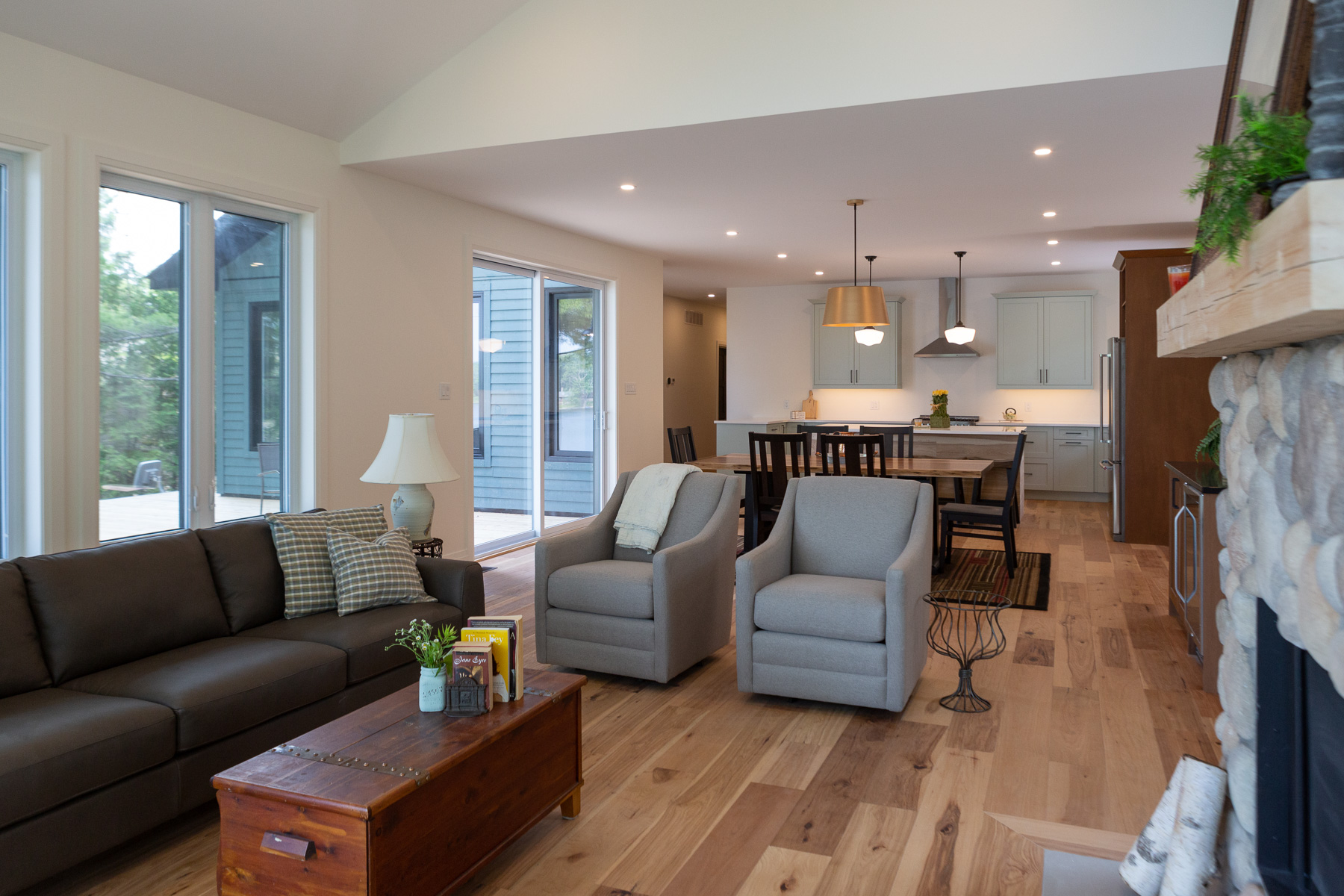
    An open concept floor plan combines traditional separate rooms like the kitchen, dining and living room, into one large space. 

    When working with our Architectural Technologist to develop your home/cottage design, you need to consider whether you want an open concept or not. There is no right answer; it is always about what works best for you and your lifestyle. These pros and cons will help you decide what is best for your specific build. 

    Pros

    1. More Natural: With fewer walls comes more sunlight flowing freely throughout the space.

    2. Better Social Interaction: Perfect for entertaining. People in different areas of the home can still interact with others easily. 

    3. Flexible Layout: Without walls, furniture and decor can be arranged more easily. You have more freedom to make the space more personalized. 

    4. Modern: Open concept designs are more contemporary and the preferred style in newer builds. 

    5. Real Estate Value: Open concept floor plans often increase the value of the home due to desirability.

    Cons

    1. More Noise: Without walls, noise from appliances, TV, kids or others in the home carries more easily throughout the space.

    2. Harder to Heat or Cool: Large open areas can be less energy efficient, especially with high ceilings.

    3. Clutter Stands Out: Due to everything being visible, it is harder to keep the space looking and feeling tidy. You would need to get creative on where you will hide smaller items so as not to stand out. 

    4. Potential Design Challenges: Defining separate areas (like the living room, dining room, office, etc) can be difficult and require creative use of furniture and accessories to best define the spaces.

    Written by: Reenie Brydon, January 2026